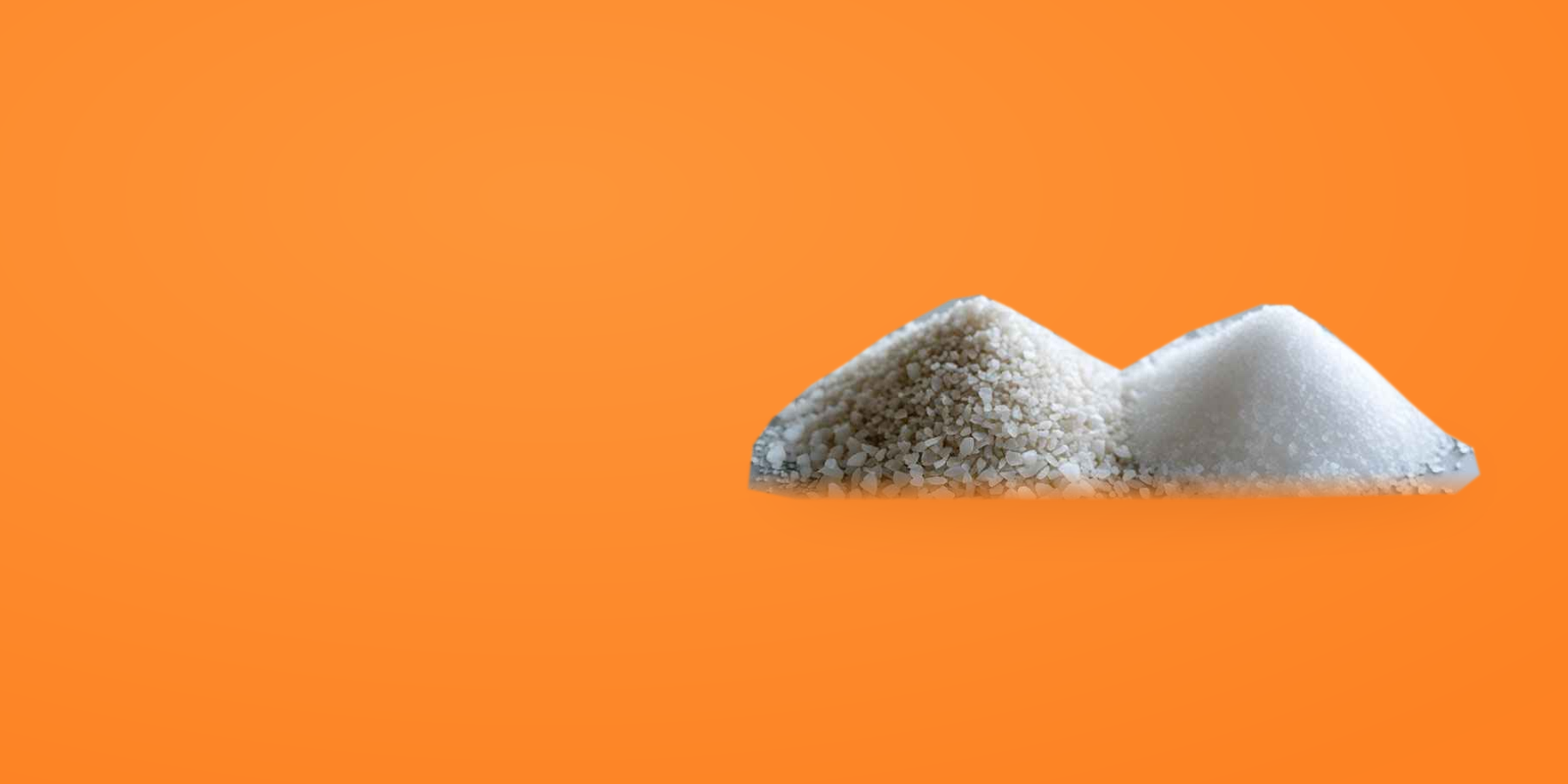
For most people, salt is synonymous with white salt crystals. Indeed, salt is most commonly used in kitchens and daily cooking activities. But the reality is that salt has far-reaching roles - it is one of the most widely used mineral substances in the world, and it is employed in many industries like food processing, pharmaceuticals, textiles, chemicals, water treatment, and manufacturing for countless purposes. While both industrial salt and edible salt are mostly composed of sodium chloride (NaCl), they are produced for completely different applications. Their production methods, degree of purity, quality requirements, and purposes vary greatly. Understanding industrial salt vs edible salt is important because it helps you make the right purchase decision and ensures correct salt use for various applications.
As one of the largest and most respected salt producers in the country, Goyal Salt is capable of supplying premium-quality Food Grade Salt and industrial salt, and different type of high-quality salt which can meet both local and international standards. In fact, it is one such salt that is both safe and good-tasting. It is a good example of a product that has a dual purpose. Here in this article, you will come across the differences in their characteristics as well as uses. In addition, we will discuss how choosing the suitable form of salt affects your needs or preferences in the end.
What is Edible Salt?
Table salt, which is sometimes termed edible salt or food-grade salt, is created mostly for use in food and is safe for human consumption. After the refining and purification processes are completed, it is tested to make sure that it is pure, safe, and free from harmful microbes so that it reaches the consumer in good condition. Often, the salt is enriched with iodine to prevent iodine deficiency and to maintain thyroid health.
Food-grade salt is made under sanitary conditions, and before it is put in the package, it is examined for purity, moisture, and consistency. It is safe to consume and is very popular in homes, pubs, hotels, and food manufacturing companies.
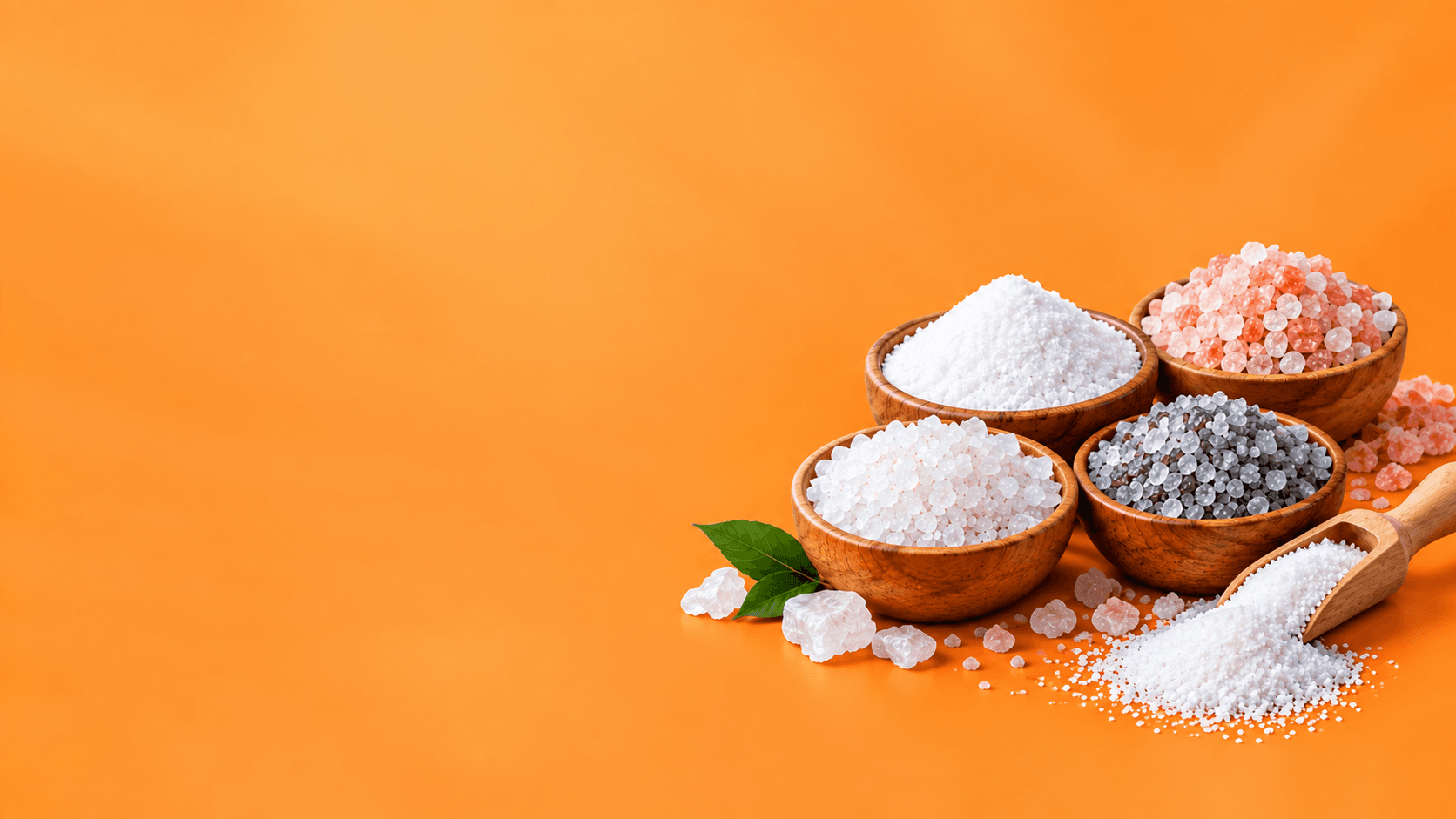
Iodised salt, non-iodised salt, sea salt, rock salt, Himalayan pink salt, and black salt are a few types of salt that come under the edible category but are different from each other. The differences include their appearance, texture, taste, and usage in food preparations; Though, the ultimate purpose is the same - serving human beings by adding salt to their food.
Goyal Salt is a leading name in manufacturing and packing all kinds of pure salt of good taste and good quality for your daily consumption.
What is Industrial Salt?
On the one hand, culinary salt is meant exclusively for cooking and eating. Then again, industrial salt is used in the making of products, services, etc. that will be sold in the marketplace. Although it's mainly sodium chloride as its ingredient, just like edible salt, industrial salt is processed following technical criteria rather than food-grade standards that human beings will be directly eating! From the chemical industry to leather tanning, pharmaceuticals, water purification, glassmaking, etc., and many other sectors, industry-grade salt is a vital ingredient. For this reason, it comes in different types (for instance, grades of purity, grain sizes, etc.) suitable for different industries.
Our reputation as a premier industrial salt supplier has been built through the years based on our commitment to providing the best quality industrial salts to our customers through many products. A meticulous quality-control process ensures that our industrial salt is of the highest purity and consistency - a big part of what enables us to remain the salt of choice in numerous industrial segments, both in India and abroad.
In fact, our company produces two types of industrial salts - one grade having a maximum impurity limit of 0.1 % and a minimum solubility of 208 kg per litre, and the other with maximum impurity content not exceeding 1% and the minimum solubility being 274 kg per litre.
Industrial Salt vs Edible Salt: What Makes Them Different?
Though they are both mainly extracted from salt deposits and seawater, industrial salt and edible salt differ from each other because of their different uses, processing techniques, quality requirements, and final products. Food Grade Salt is the only type of salt produced that may be sold as fit for human consumption.
Industrial salt is a salt that is produced for use in commerce where obtaining certification of being fit for human consumption is not a requirement. One of the main aspects is the processing of a given type for quality. The production process of a refined salt includes multiple stages, such as purification from the brine solution. The salt is washed in water, and all the impurities are dissolved in it, leaving the salt clean and pure. The processed salt is stored in tanks where different qualities (e.g. granule size) are maintained or created. In such a case, only salt having specific characteristics is released (e.g. salt to be used in softening water for home use or industrial production) after thorough inspections are carried out for the safety of the consumer.
Industrial salt refers to any type of salt that is produced and used for a commercial purpose (e.g., in food technology, agriculture, or industrial applications) except for a salt of edible grade, which can only be consumed as a food product. This difference is also evident in the final packaging of the product.
Consumer-grade salt is generally packaged only for retail purposes, and food-grade salt is often a type in this category. Then again, industrial salt is packed as bulk products, and the size of the packaging is determined based on the industry's requirements (e.g., a big bag for the industry of food processing or bulk transport).
Salt Uses Across Different Industries
One of the big factors that makes it the most precious Mineral in the world is the sheer level of diversity in the uses of salt. We could take a look at every one of them individually and still not touch the surface.
Salt is used in food at home and in the food industry to improve taste, for food preservation, nutritional needs, etc. Hotels, bakeries, restaurants, dairy producers, and packaged food companies will require high-quality (food-grade) salt. Industrial salt is also important for production. The chemical industry uses this salt as a raw material for the production of certain chemicals, like chlorine, caustic soda, or soda ash.
Industrial salt is an important input for the textile industry, where it is used in dyeing processes to increase dye penetration. Salt is used in the leather industry to preserve raw hides. Other industries, like chemical, pharmaceutical, or food, require high-quality salt with added specific qualities.
Industrial salt is also used widely in water treatment plants. Water softener salt gets rid of minerals like calcium and magnesium that cause hardness. Such varied uses of salt underline the significance of choosing the appropriate kind of salt.
Why Using the Right Salt Matters
Choosing the incorrect type of salt has led to problems in the past. Industrial salt isn't fit for people to eat because it hasn't been treated according to food safety regulations. In the same way, food salts might lack the physical or chemical properties that industrial manufacturers require.
Companies ought to always pick a salt type that is suitable for their usage. Food producers should select only Salt that is food-grade certified, while industrial sectors should obtain industrial salt of good quality that has been specially manufactured to suit the industrial processes.
Choosing an honest and dependable manufacturer means getting products of uniform quality and high standard, as well as a manufacturer that is in good standing with the rules of industry.
Choosing a Trusted Salt Manufacturer
Whether you require edible or industrial salt, choosing the right salt manufacturer is just as important as choosing the right product.
A dependable manufacturer should provide:
- Consistent product quality
- High purity standards
- Advanced manufacturing facilities
- Reliable bulk supply
- Timely deliveries
- Flexible packaging options
- Excellent customer support
With decades of experience in salt manufacturing, Goyal Salt has earned the trust of customers across food processing, chemicals, pharmaceuticals, textiles, water treatment, and other industries. The company combines modern production technology with strict quality control measures to deliver premium salt products that meet national and international standards.
Why Businesses Choose Goyal Salt
Quality and consistency are essential ingredients for every successful manufacturing process. It is for this reason that Goyal Salt is the choice of many companies in India and worldwide for sourcing their salt requirements.
Offering a large range from top premium Food Grade Salt for domestic and food industry use to Industrial Grade salt for commercial applications, Goyal Salt is committed to Providing Quality products to its customers.
Conclusion
Having a clear notion of Industrial Salt and Edible Salt is of the utmost importance in making the right choice of the product, whether for food or another purpose. Both are mainly sodium chloride, and the main difference is in the way they are produced, the quality checks they pass, and the kind of use that is expected from a particular product.
Compared with food-grade salt, which is produced and certified to be safe for human consumption, industrial salt is, to be exact, produced to fulfil the technical requirements of different industries, e.g., chemicals, textiles, pharmaceuticals, etc. If you're a food manufacturer who wishes to have a supply of premium-grade salt, or an industrial buyer who needs a regular supply in large volumes, it's very beneficial to partner with a reliable manufacturer.
We pride ourselves at Goyal Salt on our commitment to quality. All our products are produced with utmost care, and the customer is always our priority. Through excellence and industry expertise over the years, Goyal Salt continues to deliver reliable salt solutions that fulfil the changing needs of businesses across India and other countries.
FAQs
1. What is the difference between industrial salt and edible salt?
Industrial salt is produced and processed for manufacturing applications, while edible salt is specifically processed, purified, and tested for human consumption. The two can differ in purity standards, processing, additives, and intended use.
2. Can industrial salt be used for cooking or human consumption?
No. Industrial salt should not be used for cooking or direct human consumption unless it is specifically manufactured, processed, and certified to meet applicable food-grade standards.
3. What is industrial salt used for?
Industrial salt is used across industries such as chemicals, water treatment, textiles, leather processing, detergents, pharmaceuticals, and other manufacturing processes. Its required specifications depend on the application.
4. Is industrial salt cheaper than edible salt?
Industrial salt can be more cost-effective for bulk manufacturing because it is supplied according to industrial requirements and large-volume applications. However, pricing depends on purity, grade, particle size, moisture, packaging, quantity, and delivery requirements.
5. How do you choose the right industrial salt for your industry?
Choose industrial salt based on the required purity, chemical composition, particle size, moisture level, application, quantity, and quality specifications. For bulk procurement, buyers should also verify the supplier’s consistency, testing standards, and ability to meet industry-specific requirements.